
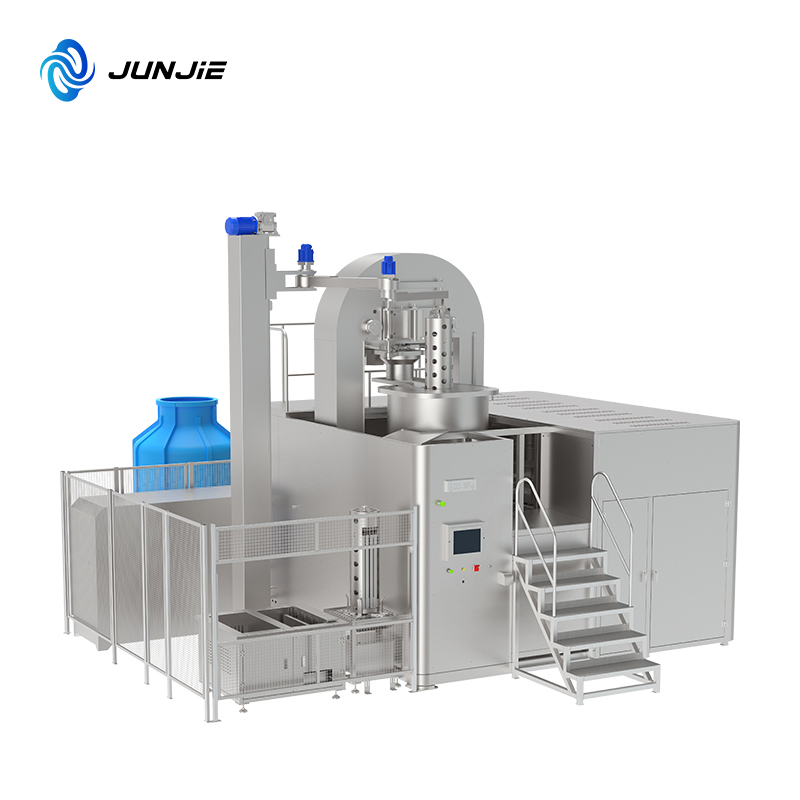
Model No.: WIP-525
Brand: JUNJIE
Volume: 525L
Pressure Range: 0-600MPa
Power System: 12 pressurizers with 830 KW
Power Supply: AC 380V, 50Hz
Production Capacity: 2.27 t/h
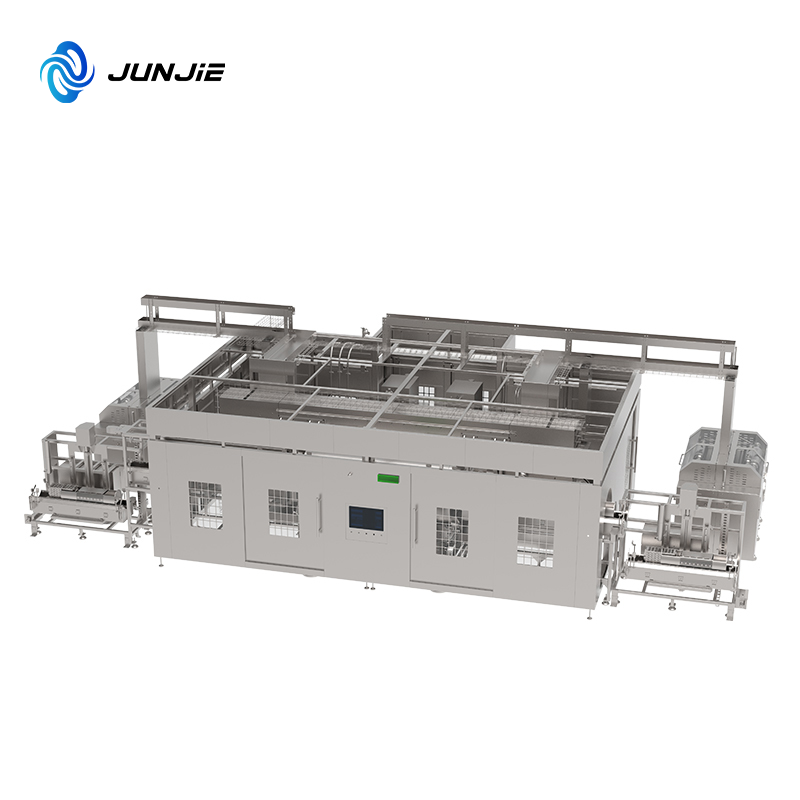
Model No.: WIP-525
Brand: JUNJIE
Volume: 525L
Pressure Range: 0-600MPa
Power System: 12 pressurizers with 830 KW
Power Supply: AC 380V, 50Hz
Production Capacity: 2.27 t/h
Densification · Uniformity · Performance Breakthroughs
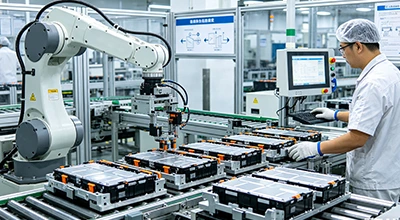
Densifies solid electrolytes and electrode materials to significantly enhance battery performance, safety, and overall energy density.
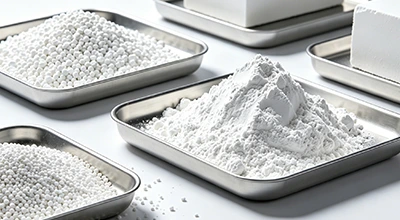
Improves powder consolidation, reduce internal defects, and produce dense, high-performance ceramic components.
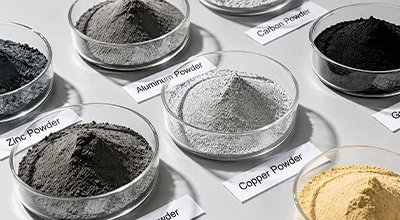
Enables uniform compaction and densification of metal powders, improving component strength and consistency.
WIP equipment combines 80–200°C temperature and 200–600 MPa isotropic ultra-high pressure to achieve uniform densification of the cathode / solid electrolyte / anode layers, eliminate interface gaps, reduce interfacial resistance, improve ionic conductivity, and suppress lithium dendrite growth. It is the key equipment for solving the “interface contact challenge” in solid-state batteries.
Traditional rolling applies only unidirectional pressure, causing layer slippage and uneven density. WIP uses a fluid medium (oil/gas) to apply 360° uniform pressure, enabling conformal contact between layers, achieving over 95% density and reducing porosity below 0.15%, significantly lowering interface resistance and improving cycle stability.
The equipment supports precise parameter adjustment to meet multi-material production requirements.
From process adaptation and parameter optimization to production line design, we provide one-stop customization services.